Back to Blog | Dental Health

What Are the Signs I Need a Dental Check-Up?

Not sure when you should see a dentist? Learn the common signs that could mean it's time for a dental check-up, even if your teeth don't hurt.

August 2026 6 min read
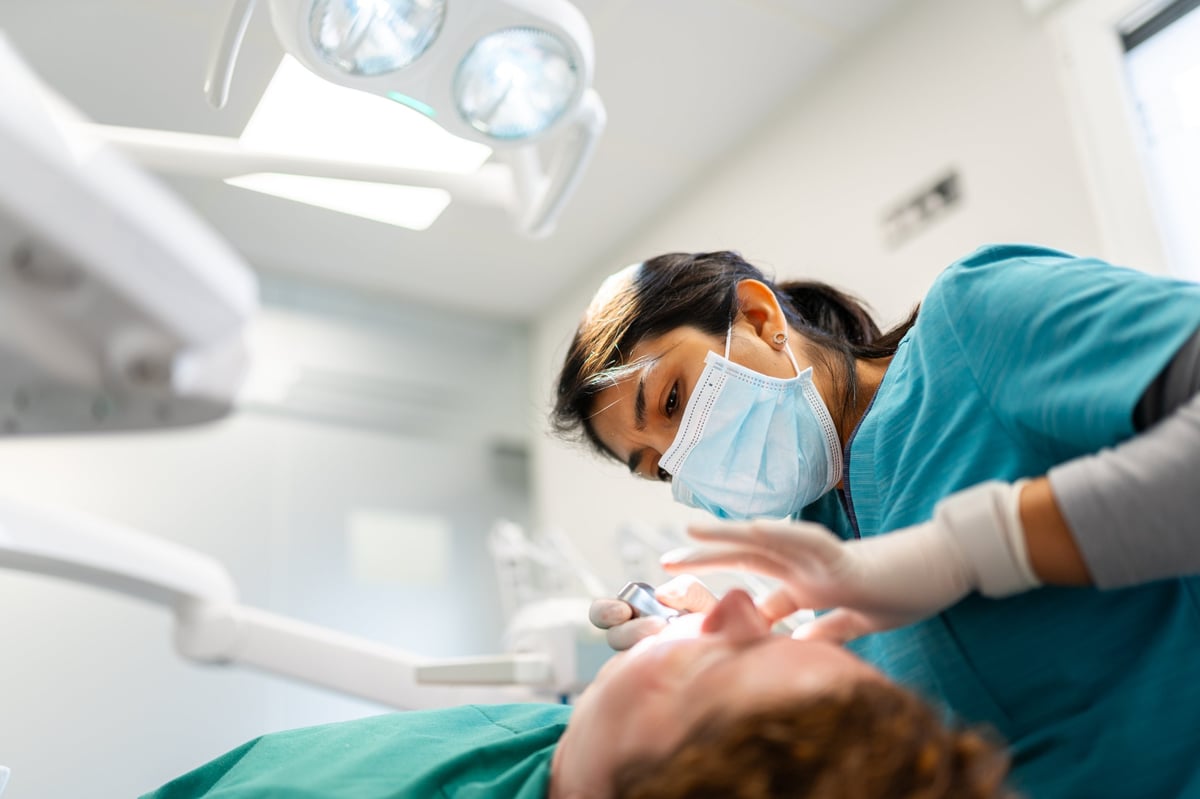
Female dentist in mask and gloves examines patient's teeth during routine dental checkup in a modern, bright clinic setting

When was your last dental check-up?

If you can't remember, you're not alone. Many people wait until they have tooth pain or another obvious problem before making a dental appointment.

However, dental problems don't always cause noticeable symptoms in their early stages. Tooth decay, gum disease and other oral health concerns can develop gradually before you experience significant discomfort.

So, how do you know when it's time to see a dentist?

From bleeding gums and persistent bad breath to tooth sensitivity and changes in your bite, there are several signs that shouldn't be ignored.

If you're looking for a dental check-up in Currumbin Waters, understanding these warning signs can help you decide when it's time to book an appointment.

Why Are Regular Dental Check-Ups Important?

A dental check-up isn't just about looking for cavities.

During a preventive dental appointment, your dentist can assess your teeth, gums and overall oral health and look for signs of problems that may not yet be causing noticeable symptoms.

Depending on your individual needs, a dental check-up may include:

  • Examination of your teeth and gums
  • Assessment of your oral health
  • Professional cleaning
  • Gum health assessment
  • Digital X-rays when clinically required
  • Oral hygiene advice
  • Discussion of any concerns or symptoms

At Galleon Way Dental, preventive care focuses on early diagnosis, maintaining oral health and preserving natural tooth structure wherever possible.

10 Signs You May Need a Dental Check-Up

You don't necessarily have to wait for severe toothache before seeing a dentist. Here are some signs that it's worth booking a dental appointment.

1. Your Gums Bleed When You Brush or Floss

Occasional bleeding shouldn't simply be ignored.

Bleeding gums can be associated with plaque build-up and gum inflammation. If your gums regularly bleed when brushing or flossing, a dental examination can help identify the cause.

You may also notice:

  • Red or swollen gums
  • Tender gums
  • Changes in the gum line
  • Persistent bad taste
  • Bleeding during professional cleaning

If bleeding continues, speak with your dentist.

2. You Have Persistent Bad Breath

Bad breath can sometimes be caused by foods, dry mouth or oral hygiene habits.

However, persistent bad breath can also be associated with dental or gum problems.

If you've noticed that bad breath continues despite brushing, flossing and cleaning your tongue, it may be worth having your teeth and gums checked.

A dental appointment can help identify possible oral causes and provide personalised advice.

3. Your Teeth Are Becoming Sensitive

Do you experience a sharp sensation when drinking something cold or hot?

Tooth sensitivity can have several causes, including exposed dentine, gum recession, enamel wear, tooth decay or a damaged tooth.

Not every case of sensitivity is serious, but new, persistent or worsening sensitivity should be assessed by a dentist.

This is particularly important if sensitivity affects one specific tooth or continues after the stimulus has been removed.

4. You Have Toothache or Persistent Dental Discomfort

Tooth pain is one of the clearest signs that you should arrange a dental appointment.

Pain can have several possible causes, including:

  • Tooth decay
  • A cracked or damaged tooth
  • Dental infection
  • Gum problems
  • An issue with an existing filling or restoration

If you have persistent toothache, don't rely on pain medication to mask the symptoms indefinitely.

A dentist can examine the tooth and determine what may be causing the discomfort.

5. Your Teeth Have Changed Colour

Some changes in tooth colour are simply related to staining from foods, drinks or lifestyle habits.

However, a noticeable change in the colour of an individual tooth can sometimes indicate an underlying problem.

If one tooth suddenly becomes darker or changes colour without an obvious explanation, arrange a dental examination.

Your dentist can determine whether the change is related to surface staining or requires further assessment.

6. Your Teeth Feel Loose

Adult teeth should not normally feel loose.

If you notice that a permanent tooth is becoming loose or feels different when you bite, arrange a dental appointment.

Loose teeth can be associated with problems affecting the supporting tissues around the tooth.

Early assessment may help identify the cause and determine what treatment, if any, is required.

7. Food Keeps Getting Stuck Between Your Teeth

Do you constantly find food becoming trapped in the same area?

This may happen because of the natural shape of your teeth, changes in the gums, spaces between teeth or dental restorations.

However, if this is a new change, particularly if it happens around one particular tooth, it's worth mentioning to your dentist.

Your dentist can check the area for signs of decay, gum problems or changes in the tooth or restoration.

8. Your Gums Look Swollen or Have Changed

Healthy gums should generally appear firm and comfortable.

If your gums become:

  • Swollen
  • Red
  • Tender
  • More sensitive
  • Prone to bleeding

it may be time for a dental check-up.

Gum problems can develop gradually, which is why regular examinations can be useful even when there isn't significant pain.

9. Your Bite Feels Different

Have you noticed that your teeth don't come together the way they used to?

A change in your bite can sometimes occur because of tooth movement, dental treatment, tooth damage or other changes in your mouth.

If your bite suddenly feels different or uncomfortable, mention it to your dentist.

Your dentist can assess your teeth and jaw and determine whether further investigation is required.

10. You Can't Remember Your Last Dental Check-Up

This might be the simplest sign of all.

If you can't remember when you last had your teeth checked, it may be time to book an appointment.

Regular dental visits allow your dentist to monitor changes in your oral health rather than only treating problems once they become painful.

The right frequency of appointments depends on your individual oral health needs.

Do I Need a Dental Check-Up If My Teeth Don't Hurt?

Yes.

The absence of tooth pain doesn't necessarily mean that your teeth and gums are completely healthy.

Some dental conditions may not produce obvious symptoms during their early stages.

For example, early tooth decay or gum problems may not cause significant pain.

That's one reason preventive dental care is important. A check-up allows your dentist to look for potential problems and discuss ways to maintain your oral health before issues become more complicated.

How Often Should I Have a Dental Check-Up?

There isn't one appointment schedule that is suitable for everyone.

Some patients may benefit from check-ups approximately every six months, while others may need appointments more or less frequently depending on their oral health, dental history and individual risk factors.

Factors that may affect how often you should visit include:

  • History of tooth decay
  • Gum health
  • Oral hygiene
  • Existing dental restorations
  • Risk of dental disease
  • Age and life stage
  • Certain medical or lifestyle factors

Your dentist can recommend an appropriate recall schedule based on your needs.

What Happens During a Dental Check-Up?

If you've never visited Galleon Way Dental before, you may be wondering what happens during an appointment. A preventive dental visit may include:

Dental Examination

Your dentist examines your teeth, gums and surrounding oral tissues and discusses any concerns you have.

Professional Cleaning

Where appropriate, professional cleaning can remove plaque and calculus that can be difficult to remove with everyday brushing and flossing.

Digital X-Rays

Digital dental X-rays may be recommended when clinically necessary to help your dentist assess areas that cannot be fully evaluated during a visual examination.

Oral Health Advice

Your dentist may discuss brushing, flossing, interdental cleaning and other ways to care for your teeth and gums at home.

Personalised Recommendations

If your dentist identifies an issue, they can explain what they've found and discuss the available treatment options.

What If I Haven't Seen a Dentist in Years?

Don't let embarrassment stop you from making an appointment.

If it's been several years since your last dental check-up, you're not alone.

The important thing is to start from where you are now.

Your dentist can assess your current oral health and explain what needs attention. You don't need to have perfect teeth before visiting a dentist.

If you're worried about what the dentist might find, remember that early assessment can be more straightforward than continuing to delay care.

At Galleon Way Dental, the focus is on preventive and minimally invasive dentistry, with the aim of identifying and managing dental problems before they become more extensive.

What Is the Difference Between a Dental Check-Up and a Dental Emergency?

A routine dental check-up is designed to monitor and maintain your oral health.

A dental emergency requires more urgent attention.

You should contact a dentist promptly if you experience symptoms such as:

  • Severe toothache
  • Significant facial or gum swelling
  • A knocked-out tooth
  • A broken or severely damaged tooth
  • Signs of dental infection
  • Significant dental trauma

Galleon Way Dental provides same-day emergency dental appointments for urgent issues such as tooth pain, swelling, broken teeth and dental trauma, subject to availability.

If you have severe facial swelling or difficulty breathing or swallowing, seek urgent medical attention.

How Can I Keep My Teeth Healthy Between Check-Ups?

Your daily habits play an important role in maintaining your oral health between dental appointments.

Brush Twice a Day

Use a soft-bristled toothbrush and fluoride toothpaste and brush carefully around your teeth and gum line.

Clean Between Your Teeth

Floss, interdental brushes or another appropriate interdental cleaning method can help clean areas that your toothbrush cannot reach.

Limit Frequent Sugary Foods and Drinks

Frequent exposure to sugar can increase the risk of tooth decay.

Don't Ignore Changes

If you notice bleeding gums, sensitivity, pain, swelling or another unusual change, don't necessarily wait until your next scheduled check-up. Contact your dentist for advice.

When Should I Book a Dental Check-Up?

You should consider booking a dental check-up if:

  • You haven't had an appointment for a long time
  • Your gums regularly bleed
  • You have persistent bad breath
  • Your teeth have become sensitive
  • You have toothache
  • Your gums are swollen or tender
  • Your teeth feel loose
  • Your bite has changed
  • Food frequently gets stuck around one tooth
  • You notice a change in the colour of a tooth

Even if you don't have any of these symptoms, regular preventive dental appointments can help your dentist monitor your oral health.

Dental Check-Ups in Currumbin Waters

If you're looking for a dentist in Currumbin Waters for a routine check-up, Galleon Way Dental provides preventive dental care for children, teenagers, adults and families.

The practice's preventive care services include regular check-ups, professional cleaning, fluoride treatment, digital X-rays and oral health education.

The team follows a minimal-intervention approach focused on preserving as much natural tooth structure as possible and addressing dental problems early.

Whether you're due for your regular appointment or you've noticed a change in your teeth or gums, a dental examination can help you understand your current oral health.

Don't Wait for Tooth Pain to Book a Check-Up

You don't have to wait until a tooth hurts before visiting the dentist.

Bleeding gums, sensitivity, persistent bad breath, changes in your bite and other seemingly minor symptoms can be reasons to have your teeth and gums assessed.

Regular preventive dental care can help you stay on top of your oral health and identify potential problems earlier.

If you're due for a dental check-up in Currumbin Waters, the team at Galleon Way Dental is here to help.

Book your dental check-up today and take a proactive approach to your oral health.

Related Dental Services

Book Your Dental Check-Up in Currumbin Waters

Can't remember your last dental appointment? Or have you noticed a change in your teeth or gums?

Don't wait for the problem to become painful.

Book an appointment with Galleon Way Dental today.

Book an Appointment